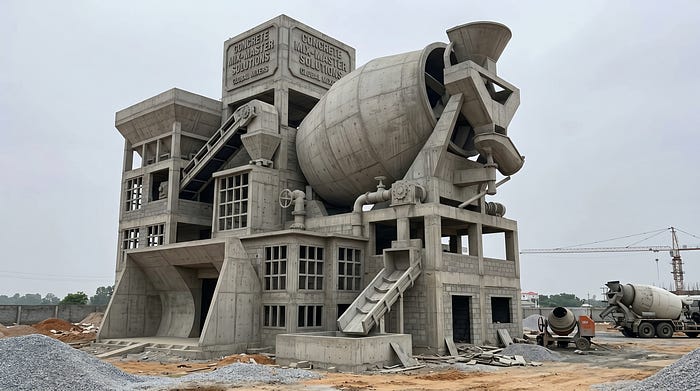
How smart contractors use site-to-screen technology to eliminate project delays, cut material waste, and close deals faster.
The construction and real estate landscape is undergoing a silent but effective transformation. For many years, the company relied on the “physical method” — heavy rolls of blueprints, handwritten web logs, and jumbled email threads that led to regular miscommunication and high delays.
The “NEW WAY” is defined through cloud-first based transparency and virtual precision. Modern task management no longer needs to be getting the building to stand; Files are usually shown on the back of the scale.
Today’s customers — whether they’re first-time homeowners or institutional buyers or not — demand real-time updates and professional reading.
By switching to a virtual first workflow, contractors can reduce administrative costs, minimize structural failures at some level of the infrastructure framework, and ultimately speed up the delivery process.
In this environment, technology is a bridge between a complex construction site and a satisfied client.

Project Management: From Site to Screen
The true power of digital integration is seen to be greatest where “boots meet the mud.” The transition of task management from physical clipboards to digital displays has revolutionized how we manage site operations.
Real-Time Progress Tracking
Gone are the days of waiting for a weekly site meeting to choose a bottleneck. With mobile-integrated task management software, site managers can now log daily development instantly.
Whether confirming the final details of the reinforcement plan for T20 bars or documenting the exact second of concrete pouring, this data is immediately synchronized with the office.

This real-time tracking allows for “agile construction,” where resources can be redirected the moment a delay is noticed, ensuring that milestones such as substructure completion stay on schedule .
Precision in Material Estimation
A significant drain on the cost range of the project is material waste due to human error. Modern digital tools have replaced “rule of thumb” estimates with pinpoint accuracy.
For example, using a special digital block-setting ratios calculator — ensuring exactly 40 blocks equivalent to one bag of cement for a 9-inch walls — or calculating actual reinforcement needs prevents both demolition and accumulation of expensive surplus materials.

Centralized Collaboration
The construction project is a symphony of changing elements involving architects, engineers, site staff and suppliers. Digital systems provide a “single source of truth.”
When a structural drawing is updated within the cloud, each party immediately sees the new model on their computer or smartphone.
This level of coordination removes the risk of working with previous plans, it’s the main reason for or leading cause of structural rework in large-scale residential developments.
Keeping all people on the same virtual page, the transition from the foundation to the finishing stages becomes a seamless, statistics-driven journey.
Elevating the Client Experience
While the technical details of a project — such as reinforcement schedules and concrete mix ratios — are the lifeblood of the contractor, they can largely be overwhelming to clients.
One of the greatest demanding conditions in modern real estate is the communication gap; The client may struggle to visualize the evolution or to understand why the certain material costs have shifted based on market rates.
To bridge this gap, successful developers are moving away from sending static, technical attachments that get lost in a client’s “Downloads” folder. Instead, they focus on visual storytelling and high-end presentation. Transparency is the foundation of a good client relationship.
When sharing unique 3D estate plans or material breakdowns with clients, using a tool like FlippingBook is a great way to turn static PDFs into interactive, professional documents that are easy to view on any device.
Instead of sending a cumbersome attachment, you offer a virtual lookbook that feels top-notch.

This not only builds trust but also allows the client to flip through progress reports or configuration options through the same ease as luxury magazine.
Visualization Technology: 3D and Beyond
The development of client presentations does not preclude interactive documentation. We are seeing a big rise in the use of building information modeling (BIM) and 3-D renderings.
These tools allow property owners to “walk through” their property to see before the first trench is even dug for the substructure.
In addition, interactive virtual formats, such as flipbooks, are becoming extra common in real estate and construction presentations. Unlike static PDFs, flipbooks can incorporate dynamic factors that increase user experience and engagement.
A distinctive feature is the ability to embed videos directly into flipbooks (e.g. YouTube or Vimeo), converting static documents into immersive, interactive displays that retain long-engaged customers .

Virtual and Augmented Reality
The real estate market of 2026 has moved beyond flat deformation. Developers are actually using virtual reality (VR) to allow potential customers to discover unique home models, ranging from modern minimalist villas to traditional properties, in a fully immersive environment.
Augmented reality (AR) is equally progressive online; A contractor can install a tablet and show the customer exactly where the electrical wiring and plumbing should go behind a wall that isn’t always plastered yet.
Research by Nielsen Norman Group shows that users interact extra effectively with visually interactive content material compared to static formats, reinforcing the growing use of AR and VR technology in the construction and real estate industries .
Accessibility and Speed
Simultaneous visualization is characterized through accessibility. Most of these high-resolution and 3D reviews are currently optimized for mobile viewing.
Similarly, a developer in Lagos can share the project in place with an investor in London, who can then view the 3-D version and interactive task booklet on their phone during their lunch break .
This fact speed will not only “WOW” customers — it shortens comment loops, the key to faster approvals and a more efficient build timeline.
Cost Transparency and Digital Budgeting
In an era of fluctuating material prices and global supply chain transformation, monetary transparency has become a closing tool to protect customers.
Modern contractors are moving away from vague, one-off quotes and towards dynamic budgeting.
Using virtual spreadsheets and integrated construction cost calculators, developers can provide granular transparency to customers. Whether it’s a breakdown of structural metal costs or the specific amount of sand and granite desired for a piece, virtual facts provide a “paper trail” that justifies every cent spent.
When those financial breakdowns are provided within an expert digital file — as opposed to the dense mess of income — this creates an enormous amount of professional equity..
Giving customers or clients a clean, interactive rate gap doesn’t just show them where their money is going; It proves that the company operates with a phase of integrity and accuracy that protects their funding.
Conclusion: Staying Competitive in 2026
Integration of digital tools is not a luxury reserved for multi-million dollar groups; it is miles with the help of methods a need of any contractor or builder trying to be competitive in 2026.
From the accuracy of field material estimates to the interactive splendor of client-facing documentation, time has redefined the needs of the company.
Contractors who win extraordinary designs in a crowded real estate market aren’t just the ones who build the most powerful walls — they need to be the ones who offer the smoothest, most significant joy. Every remaining effort is a testament to your professionalism.